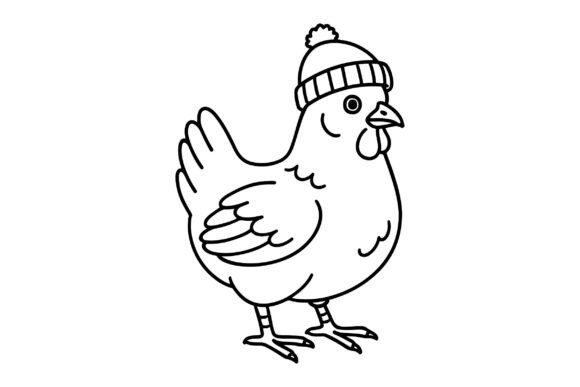
Free Chicken Wearing Beanie Clipart
As a designer who spends more time troubleshooting stitch errors than admiring finished products, I approach every new graphics download with a healthy dose of skepticism. The market is flooded with generic clipart that looks charming on screen but falls apart under the needle. However, when I first pulled up the Free Chicken Wearing Beanie Clipart, something clicked. It isn’t just another novelty image; it has a specific visual weight and personality that suggests it was created with actual production in mind. This review breaks down why this design deserves a spot in your library and how it performs when moved from a digital preview to a physical handmade product.
The First Impression: Mood and Visual Personality
There is an immediate charm to this machine embroidery design. The concept—a chicken wearing a beanie—taps into the current trend of whimsical, cozy aesthetics without crossing into "cute overload" territory. For designers working on custom apparel or boutique items, finding that balance between playful and professional is difficult. This design hits the sweet spot. The layout feels centered and stable, which is crucial for hoop stability, while the character’s expression adds a layer of narrative that customers love.
Visually, the design relies on strong silhouettes. The roundness of the beanie contrasts nicely with the organic shapes of the chicken’s body. From a graphic design perspective, this high-contrast structure translates well to thread. It avoids the pitfalls of overly thin lines or tiny details that often get lost in dense fabric textures. When you look at the static image, you can already visualize how the satin stitch will lay over the edges of the beanie and how the fill stitch might handle the feathering. It feels like a design that respects the medium of embroidery rather than fighting against it.
Real-World Application: Where This Design Shines
I recently tested this concept on a few different substrates to see where it would fit best in a small business workflow. The versatility here is surprising. While the theme is casual, the execution allows it to work across several categories:
- Baby and Nursery Decor: The soft, rounded nature of the beanie makes this an excellent choice for baby onesies, burp cloths, or nursery wall art. Parents are always looking for unique, non-generic animal designs for their little ones, and this stands out as a memorable personalized gift.
- Holiday and Seasonal Merchandise: A beanie screams winter. This design is perfectly timed for holiday markets, Christmas stockings, or winter-themed sweatshirt embroidery. It captures the cozy vibe of the season without needing additional seasonal elements like snowflakes, keeping the design clean and focused.
- Craft Business and Etsy Listings: For the Etsy seller or small shop product creator, this design offers high perceived value. It works beautifully on canvas tote bags, kitchen towels, and aprons. The humor of a chicken in winter gear invites engagement on social media, making it a great asset for marketing your craft business.
- Apparel Decorators: If you specialize in custom hats or caps, this design provides a clear focal point. The central composition ensures it won’t get cut off by the curve of a cap front panel, provided you check your hoop size constraints.
Technical Considerations and Stitch Behavior
No matter how good a digital embroidery file looks in JPEG format, the real test is the stitching. Here is what you need to consider before loading this into your machine:
Stitch Density and Clarity: The design appears to use a mix of satin stitch for outlines and fill stitch for volume. This is generally safe for most home machines, but you must pay attention to the density. If the fill stitch is too dense, it can pucker lightweight fabrics. If it is too sparse, the fabric may show through. Always run a test on scrap fabric to ensure the thread colors pop against your chosen background.
Fabric Texture and Choice: This design thrives on smooth surfaces like cotton twill, denim, or felt. It performs less predictably on highly textured fabrics like terry cloth or chunky knits, where the stitch definition can get lost. For embroidered patch applications, a tightly woven stabilizer is essential to keep the shape crisp. On stretchy fabrics like jersey knit, you must use a proper tear-away or cut-away stabilizer to prevent distortion during the stitching process.
Thread Colors and Contrast: Because the design features distinct shapes (the beanie vs. the chicken), color contrast is key. A dark chicken on a light background or vice versa will yield the best results. Avoid low-contrast combinations, such as a beige chicken on a cream shirt, as the details will disappear. Experiment with metallic or variegated threads for the beanie to add a touch of luxury to the final finished product.
Pitfalls to Avoid
Even a well-designed file can fail if applied incorrectly. There are specific scenarios where you should exercise caution with this embroidery project:
- Small Hoop Sizes: Do not attempt to shrink this design significantly. Small details in the chicken’s face or the texture of the beanie may become muddy or unrecognizable if scaled down below 3 inches. Respect the original proportions.
- Dense Stitch Areas: If your machine struggles with heavy fill stitches, preview the design in black and white mode to check the coverage. Too much thread in one area can cause needle breakage or bulky seams that are uncomfortable to wear.
- Curved Surfaces: While this design works on caps, ensure you are using a curved hat hoop and that the design is properly digitized for curvature. Flat embroidery on a curved surface can result in puckering.
Final Verdict for Designers and Sellers
The Free Chicken Wearing Beanie Clipart is a solid addition to any designer’s toolkit. It is not just a novelty item; it is a versatile design asset that can elevate simple products into memorable keepsakes. Whether you are creating a printable mockup for an online store or stitching a one-of-a-kind piece for a client, this design offers a blend of charm and technical viability.
For the commercial embroidery professional, remember to verify the licensing terms included in your ZIP folder. Even if the source is free, ensuring you have the right to sell finished goods is crucial for protecting your brand. Test thoroughly, choose your fabrics wisely, and let the unique personality of this design do the talking. It is a practical, fun, and visually appealing choice that is sure to resonate with customers looking for something special in a sea of mass-produced goods.