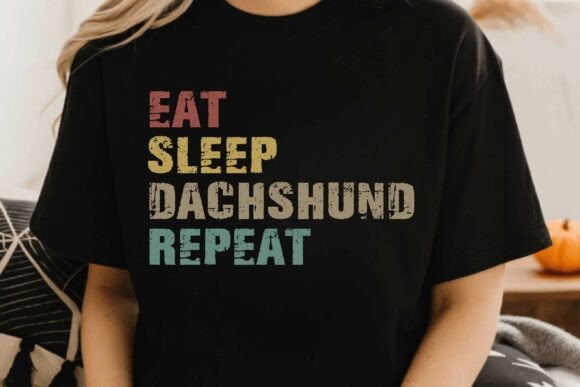
Vintage Eat Sleep Dachshund Repeat SVG Review
As a designer who spends more time than I care to admit staring at stitch charts and fabric swatches, I have developed a healthy skepticism toward digital assets. We are often promised "high-quality unique design" in product listings, but the reality of how those designs translate from a screen to a hoop is where the true test lies. Today, I am evaluating the Vintage Eat Sleep Dachshund Repeat SVG, a file marketed under T-Shirt Designs and Graphics categories, to determine its viability for serious embroidery projects.
The premise is simple: a repeating pattern featuring dachshunds with the phrase "Eat Sleep Dachshund." It appeals directly to dog lovers, a massive demographic for handmade goods. But does it work as a machine embroidery design? Can it survive the transition from vector to thread without losing its soul or causing mechanical headaches? Let’s break down the practical application of this design for small business owners, crafters, and hobbyists.
First Impressions and Visual Personality
The moment you open the ZIP folder containing the Vintage Eat Sleep Dachshund Repeat SVG, the aesthetic is immediately apparent. The "vintage" descriptor suggests a muted color palette, perhaps slightly distressed textures or retro typography. This is crucial because vintage styles rely heavily on subtlety. In embroidery, if the contrast between the background fabric and the thread is too low, the design disappears. If the lines are too thin, they become jagged messes after stitching.
The layout appears to be a repeat pattern, which offers incredible versatility. Unlike a single centered chest logo, a repeat pattern allows for creative placement. You are not limited to the center of a tote bag; you can use this embroidery file for all-over prints on sweatshirts, border designs on aprons, or even scattered motifs on baby blankets. The visual personality is playful yet nostalgic, making it an excellent candidate for personalized gifts that feel curated rather than mass-produced.
Real-World Application: The Custom Tote Bag Scenario
To truly judge this asset, we need to put it to work. Imagine you are preparing inventory for a local craft fair or fulfilling a custom order for an Etsy buyer. You decide to create a canvas tote bag featuring the Vintage Eat Sleep Dachshund Repeat SVG.
This is where the design shines. A single large motif might look cluttered on a heavy canvas tote, but a repeating pattern creates texture and depth. By spacing the dachshund motifs evenly, you create a professional-looking surface decoration that feels intentional. The "Eat Sleep" text acts as a rhythmic element within the pattern, guiding the eye across the bag. For a boutique branding item, this level of detail elevates the perceived value of the product. It signals to the customer that you have invested thought into the design, not just slapped a logo on a blank item.
Furthermore, consider the giftability factor. A tote bag embroidered with this specific theme resonates deeply with dachshund owners. It is relatable, humorous, and aesthetically pleasing. When customers see a finished product that captures their lifestyle so accurately, trust increases, and the likelihood of a purchase goes up. This is not just a graphic; it is a connection point between your brand and your customer's identity.
Apparel and Soft Goods Integration
Beyond bags, this machine embroidery design adapts well to other soft goods. On a sweatshirt, a repeat pattern along the hem or sleeves adds a trendy, streetwear-inspired touch without overwhelming the garment. For baby clothes, the smaller scale of the repeat can be scaled down to fit tiny onesies or bibs, creating adorable personalized gifts for new parents. The vintage style pairs beautifully with neutral tones like cream, beige, or light grey fabrics, allowing the embroidery threads to pop while maintaining a soft, gentle look suitable for nursery decor or baby showers.
Technical Considerations and Stitching Challenges
While the artistic merit is clear, we must address the technical execution. Not all files are created equal, and assuming high quality based on a listing description is a risk. Here is what you need to watch out for when digitizing or using the Vintage Eat Sleep Dachshund Repeat SVG.
- Stitch Density: Vintage designs often mimic printed textures. Ensure the digitizer has used appropriate fill stitches to represent these textures without creating dense, stiff patches that could pucker the fabric. High density is necessary for durability, but excessive density makes the product uncomfortable, especially on apparel.
- Hoop Size Constraints: Because this is a repeat pattern, you must confirm the maximum size the design can be stitched in your specific hoop. If you are attempting an all-over print effect, you may need to re-hooper multiple times. Check the file dimensions carefully before committing to a large project.
- Fabric Texture Compatibility: This design works best on smooth to medium-texture fabrics like cotton, denim, or canvas. Avoid highly textured fabrics like bouclé or thick wools, as the fine details of the dachshund outlines may get lost or cause needle deflection issues.
- Thread Color Contrast: The success of a vintage aesthetic relies on color harmony. Test your chosen thread colors against your fabric. If you are using dark fabric, ensure the lighter threads in the design have enough coverage. A quick black-and-white mockup can help you visualize the contrast before you start stitching.
Areas Caution Is Required
There are specific scenarios where this design requires careful handling. Using this embroidery project on curved surfaces like baseball caps can be challenging. The repeat nature of the pattern means you will likely need to rotate or adjust the design significantly to fit the curve, which might disrupt the flow of the pattern. Similarly, on stretchy fabrics like jersey knits, you must use a proper stabilizer to prevent distortion. Without adequate support, the tension of the stitches can warp the fabric, ruining the clean lines of the vintage style.
Additionally, be mindful of small details. If the design includes tiny lettering or intricate facial features on the dogs, inspect them closely in your software. Small satin stitches can sometimes merge together if the resolution is too low or the hoop size is reduced too much. Always test the design on scrap fabric first to verify that the smallest elements remain distinct and legible.
Commercial Viability and Licensing
For those of us running a craft business or selling on platforms like Etsy, licensing is paramount. The product description states this is a digital product and provides a ZIP folder, but it does not explicitly detail commercial usage rights. Before you mass-produce small shop products featuring the Vintage Eat Sleep Dachshund Repeat SVG, you must verify the license terms. Does it allow for unlimited retail sales? Are there restrictions on the number of items? Clarifying this protects your business from legal issues and ensures you are respecting the creator’s intellectual property.
If the licensing permits, this design has strong market potential. It fits perfectly into current trends favoring niche hobbies, pet love, and retro aesthetics. It serves as a versatile design asset that can be applied to a wide range of finished product types, from kitchen towels and pillow covers to custom apparel and embroidered patches.
Final Verdict
The Vintage Eat Sleep Dachshund Repeat SVG is a charming and versatile addition to any designer’s library. Its strength lies in its adaptability and emotional appeal. It transforms mundane items like totes and shirts into personalized treasures that resonate with buyers. However, like any digital asset, its success depends on your execution. Pay attention to stitch density, fabric choice, and stabilization. Test thoroughly, respect licensing agreements, and present your final work with pride.
For the experienced embroiderer looking to expand their catalog with high-demand, visually engaging themes, this design offers a solid foundation. It balances nostalgia with modern functionality, making it a worthy investment for both personal creativity and commercial growth. Just remember: the magic happens in the stitching, not just the file. Treat the preparation with the same care you give the final product, and you will create something truly special.