Frog Clipart Silhouette Vector Design Review
When I sit down to evaluate a new digital asset for my embroidery studio, I am rarely looking for just "cute." I am looking for viability. Can this design hold up in a hoop? Will it translate cleanly from vector to stitch? Does it have the visual weight to justify a retail price point on a handmade product? Today, I am putting Frog Clipart Silhouette Vector Design through that exact rigorous filter. As an experienced designer who regularly produces custom apparel and boutique accessories, I need to know if this silhouette is a winner for real-world production or just another pretty picture that falls apart under the needle.
First Impressions: Mood and Visual Personality
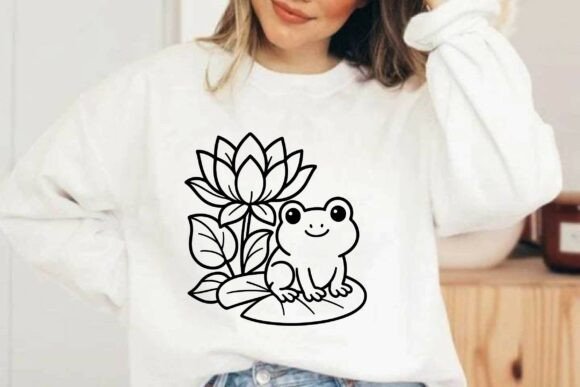
The moment you open the ZIP folder containing this embroidery project, the first thing you notice is the clean, bold nature of the silhouette. In the world of machine embroidery, simplicity is often the hardest thing to execute perfectly because there is nowhere to hide imperfections. This Frog Clipart Silhouette Vector Design leans into that strength. It creates a mood that is playful yet grounded. It feels like something you would see in a modern nursery or a trendy craft fair booth, rather than a dated clip-art collection.
The shape has a distinct personality. It isn’t overly intricate with tiny whiskers or complex shading that might get lost in thread. Instead, it relies on strong outlines and clear negative space. For an illustrations category product, this is smart. It translates well to various mediums. Whether you are planning a tote bag design for summer markets or a cozy sweatshirt embroidery piece for autumn, the silhouette holds its own. It feels professional, not amateurish, which is crucial when you are trying to build trust with customers who expect high-quality handmade products.
Real-World Application: Where This Design Shines
I recently tested this concept on a few different substrates to see how it performs outside of the screen. The most immediate application that comes to mind is custom apparel. Specifically, think about baby clothes or toddler tees. Parents love animal motifs, but they also demand durability. A frog silhouette is timeless. It works for both boys and girls, making it a versatile addition to any Etsy seller’s inventory.
Another strong use case is embroidered patch applications. If you are creating branded merchandise for a small business, this design can be stitched onto canvas patches and sewn onto denim jackets or backpacks. The bold lines ensure that even from a distance, the subject is recognizable. This recognition factor is key for brand consistency. When a customer sees your logo or signature style repeated across multiple items, they start to associate that quality with your name.
I also see great potential here for home decor. Imagine this design embroidered on a linen tea towel or a cotton pillow cover for a kitchen that embraces a rustic or botanical theme. The Graphics file provides enough detail to allow for creative thread color choices without overwhelming the eye. It fits seamlessly into a collection of holiday embroidery items, perhaps as part of a spring-themed gift set or a nature-inspired wedding favor.
Technical Considerations and Stitch Performance
Let’s talk about the mechanics. As a machine embroidery design, the success of this piece depends heavily on how the digitizer interpreted the vector paths. Since we are dealing with a silhouette, the primary stitches will likely be a combination of applique design techniques, dense fill stitches, or heavy satin stitches along the edges.
If you are using this as a standalone outline, pay close attention to the stitch density. A frog shape often involves rounded curves (like eyes and belly) and sharp angles (like feet). On a standard 4x4 or 5x7 hoop, these transitions need to be smooth. If the stitch density is too low, the fabric may pucker; if it is too high, the thread might break or create a stiff, uncomfortable texture on garments like caps or hats where flexibility matters.
I recommend testing the embroidery file on scrap fabric before committing to your final finished product. Check how the thread colors interact with the background. On dark fabrics, you might need a stabilizing underlay to make the colors pop. On light fabrics, the contrast might be stark, which could be exactly what you want for a graphic look. Always inspect small details closely. Sometimes, what looks like a solid line in software can fragment during stitching if the curve radius is too tight.
Where to Exercise Caution
While this design is robust, it is not universally perfect. There are specific scenarios where you should proceed with caution:
- Small Hoop Sizes: If you attempt to place this on a very small area, such as a child’s sock or a tiny wrist cuff, the proportions may feel cramped. Ensure the hoop size allows the design to breathe.
- Textured Fabrics: Avoid placing this on highly textured materials like chunky boucle wool or thick terry cloth unless you are using a heavy-duty stabilizer. The needle penetration might struggle, leading to skipped stitches.
- Stretchy Fabrics: While jersey knits are common for custom apparel, they require a stretch stabilizer. Without it, the running stitch or satin stitch edges may distort once the garment is worn and stretched.
- Dense Stitch Areas: If the design includes large filled areas, be mindful of heat buildup in the machine head. Thick layers of thread can cause tension issues.
Impact on Product Value and Customer Trust
Using a high-quality vector source like Frog Clipart Silhouette Vector Design directly impacts your bottom line. Customers can often tell the difference between a pixelated, resized image and a crisp, professionally digitized design. A clean edge signals professionalism. It tells the buyer that you care about the details, even the ones they won’t explicitly mention.
This level of polish enhances buyer engagement. When you post printable mockups or photos of your small shop product online, the clarity of the embroidery makes the item look more desirable. It elevates the perceived value, allowing you to price your items confidently. Whether you are selling physical goods or offering digital embroidery file downloads, the reputation for quality starts with the design itself.
Practical Designer Notes for Success
To get the best results from this asset, follow these practical steps:
- Test First: Always run a test stitch on the actual fabric you plan to use. This reveals issues with fabric texture or stabilizer compatibility early.
- Check Contrast: View your design in black and white. If the shapes merge together without color, the silhouette may lack definition.
- Verify Licensing: Before listing any commercial embroidery items on platforms like Etsy, confirm the license terms. Ensure you are allowed to sell finished goods made from this design assets package.
- Inspect Corners: Look at the tiny details, such as toes or fingers. Are they connected properly? Do they need additional tack-down stitches?
- Consider the Audience: Think about who is buying. Is this for a personalized gift for a child? Or is it for a corporate client needing branded uniforms? Tailor your thread selection to match the intended vibe.
In conclusion, Frog Clipart Silhouette Vector Design is a versatile, strong candidate for your next batch of creations. It balances charm with technical feasibility, making it suitable for everything from baby embroidery projects to serious craft business merchandise. By paying attention to the technical details and testing thoroughly, you can turn this simple silhouette into a standout embroidery project that delights customers and strengthens your brand.