Owl Silhouette Clipart Vector Design Review
As a designer who spends more time staring at stitch density charts and fabric swatches than browsing social media, I approach every new digital asset with a healthy dose of skepticism. The market is flooded with clipart that looks beautiful on screen but falls apart under the needle. That is exactly why I decided to put Owl Silhouette Clipart Vector Design through its paces before recommending it to my network of embroidery artists and small business owners.
This review isn’t about marketing fluff. It’s about practical application. I want to know if this design holds up in a real-world scenario—specifically, if it can elevate a handmade product enough to justify its price tag for an Etsy seller or a craft fair vendor. Let’s dive into the visual personality, technical viability, and commercial potential of this graphic asset.
First Impressions: Mood and Visual Weight
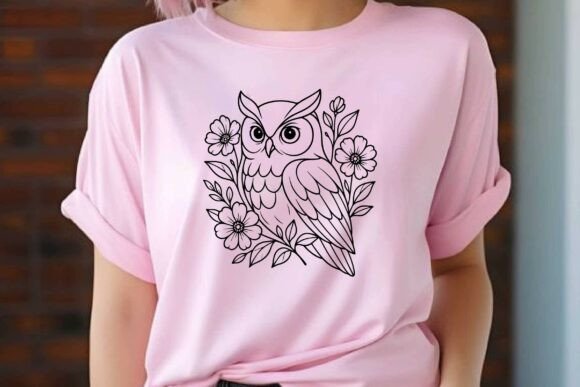
When you first load Owl Silhouette Clipart Vector Design, the immediate takeaway is its clean, bold simplicity. In the world of machine embroidery, "clean" is often synonymous with "successful." Complex vector lines can sometimes translate into messy satin stitches or tangled threads if not digitized correctly. This silhouette, however, relies on strong negative space and clear contours.
The mood it creates is one of quiet wisdom mixed with modern whimsy. It feels at home in a rustic nursery, a cozy coffee shop aesthetic, or a minimalist boutique brand. Unlike overly detailed illustrations that require dozens of thread colors to capture nuance, this design leans on shape. For an embroiderer, this is a relief. It suggests that the final embroidery project will have high impact without requiring an hour-long stitching session per item. The visual personality is versatile; it doesn’t scream for attention but rather invites the viewer to look closer, which is exactly what you want in a personalized gift or a subtle brand logo on a tote bag.
Real-World Application: From Screen to Stitch
To truly evaluate any machine embroidery design, you have to imagine it on three-dimensional objects. I ran a mental simulation of placing this owl on several common products to see how it would perform.
Custom Apparel and Sweatshirts: Imagine this owl centered on the chest of a heavyweight cotton sweatshirt. Because it is a silhouette, it works exceptionally well as a large-scale statement piece. If stitched in a contrasting thread color against a dark heather gray fabric, it pops. However, if you plan to use it for sweatshirt embroidery, you must consider the fabric texture. The loops in fleece or jersey can sometimes distort fine details. Since this is a silhouette, distortion is less likely to ruin the image, but the edges might soften slightly. This actually adds to the cozy, handmade appeal.
Tote Bags and Aprons: A tote bag design featuring this owl could be incredibly effective for a small shop product. The sturdy canvas of a tote handles dense fill stitches well. You could run this in a single thick thread color for a striking graphic look, or use multiple shades to create depth. For aprons, particularly linen or cotton blends used in kitchen decor, the owl adds a touch of charm that appeals to buyers looking for holiday embroidery gifts or housewarming presents.
Baby Items and Nursery Decor: This is perhaps the strongest use case. Soft pastels combined with a simple owl shape are timeless. Whether it’s embroidered on a muslin blanket, a hooded towel, or a onesie, the embroidered patch style of a silhouette avoids the prickly feel of heavy satin borders, making it safer and more comfortable for sensitive baby skin. It fits perfectly into the current trend of gender-neutral nursery themes.
Where Caution Is Required
Not every surface is created equal, and there are specific scenarios where Owl Silhouette Clipart Vector Design might struggle if you aren’t careful.
- Small Hoop Sizes: If you attempt to stitch this in a very small hoop (under 4x4 inches), the proportions might become too tiny to distinguish from a distance. Keep the minimum size reasonable to maintain clarity.
- Textured and Stretchy Fabrics: Avoid using this on highly textured fabrics like boucle wool or extremely stretchy spandex blends without proper stabilization. The silhouette might warp or pucker if the stabilizer isn’t matched correctly to the fabric weight.
- Dense Stitch Areas: While silhouettes are generally forgiving, ensure the stitch density isn’t set too high. Too many stitches in a small area can make the fabric stiff and uncomfortable, especially on clothing items that need to drape naturally.
- Dark Fabric Challenges: If you are stitching a light-colored owl onto dark fabric, you’ll need a substantial number of underlay stitches to prevent the fabric from showing through. Conversely, a dark owl on black fabric requires a contrasting edge stitch to define the shape.
Technical Considerations for the Designer
Before you click "start" on your machine, there are a few critical steps to ensure your finished product looks professional. First, always test the design on scrap fabric that matches the weight and type of your final material. This helps you gauge how the thread colors interact with the specific dye lot of your fabric.
Inspect the small details. Even in a silhouette, the ears and wing tips need to be sharp. If the original vector file has jagged edges, your digitizer needs to smooth them out. Check whether the design works in black and white mockups to ensure the contrast is sufficient. Also, confirm the hoop size requirements. Trying to force a large design into a small hoop results in poor registration and potential misalignment.
Another crucial step is reviewing the stabilizer choice. For woven fabrics like cotton or linen, a cut-away stabilizer provides the best long-term stability. For knits, a tear-away might suffice for lightweight items, but a wash-away could be better for delicate baby embroidery to avoid bulk. Don’t skip these basics; they are what separate amateur attempts from boutique-quality goods.
Commercial Viability and Brand Value
For the Etsy seller or craft business owner, the value of a design extends beyond just the hours it takes to stitch. Owl Silhouette Clipart Vector Design offers high versatility, which translates to higher inventory turnover. You can sell it as a standalone embroidered patch, integrate it into a collection of woodland-themed items, or use it as a branding element on tags and packaging.
The clean nature of the design lends itself well to commercial embroidery. It looks professional and polished, which builds customer trust. Buyers are more likely to leave positive reviews when the stitching is crisp and the design placement is precise. Furthermore, because it is a silhouette, it pairs easily with other elements. You could add small flowers, stars, or geometric shapes around the owl to create unique variations without changing the core asset. This flexibility allows you to offer a wider range of design assets while maintaining a cohesive brand aesthetic.
Final Verdict
In conclusion, Owl Silhouette Clipart Vector Design is a solid, reliable choice for designers who prioritize efficiency and visual impact. It avoids the pitfalls of over-complication while retaining enough character to stand out in a crowded marketplace. Whether you are creating custom apparel, preparing printable mockups for digital products, or crafting heartfelt personalized gifts, this design delivers.
Just remember to respect the technical limitations of your machine and materials. Test thoroughly, choose your stabilizer wisely, and let the clean lines of the owl do the talking. When executed correctly, this design has the potential to become a staple in your library of graphics and illustrations for years to come.